
What Goes Into Constructing a Multi-Level Shopping Mall
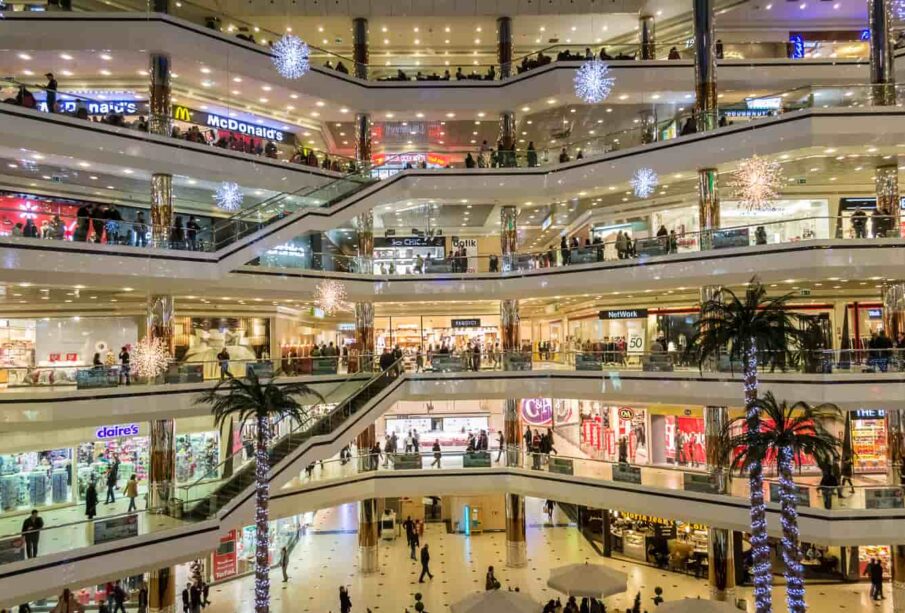
When a developer announces plans for a soaring retail landmark, most of us picture the grand opening: escalators gliding, storefront lights twinkling, soft jazz spilling from hidden speakers. The reality starts years earlier, beneath the soil and inside conference rooms where engineers, architects, and city officials hash out geology reports, traffic studies, and financing.
Building a vertical mall is less a sprint of pouring concrete and more a marathon of sequencing—every trade timed so the next can take the baton without stumbling. Here’s how the project takes shape, level by level.
Site Investigation and Ground Stabilization
Before the first backhoe appears, geotechnical crews drill deep to map bedrock, groundwater, and pockets of compressible clay. Their findings dictate whether standard spread footings will suffice or if a forest of driven piles must anchor the structure.
Urban lots rarely sit empty, so demolition teams choreograph the removal of existing buildings while environmental specialists clear asbestos and remediate any buried fuel tanks. Only after a flat, contamination-free pad emerges can surveyors stake out the grid that will guide every column, slab, and façade panel to come.
Raising the Steel Spine and Concrete Floors
With orange safety netting fluttering overhead, ironworkers bolt massive steel columns that form the mall’s skeletal core. Tower cranes are stationed like chess pieces, lifting girders and prefabricated trusses into place while concrete teams follow close behind, pouring metal-deck floors level after level.
The sequence is tight: welders secure connections, inspectors verify torque and weld integrity, and crews start the next tier before the previous deck has fully cured. Openings for escalators and atrium skylights are framed early to avoid the cost—and headache—of cutting through finished slabs later.
Services That Keep Everything Breathing
A mall’s real heartbeat lies in its mechanical, electrical, and plumbing arteries. Ductwork the size of delivery vans snakes above ceiling grids, feeding conditioned air to hundreds of shops and food stalls. Electrical risers climb elevator shafts, branching into redundant circuits that can handle holiday light shows and last-minute tenant upgrades.
Miles of PEX piping ferry water to restrooms and restaurant kitchens while fire-sprinkler mains weave through every bay. Coordinating these systems is a 3-D jigsaw puzzle; clash-detection software flags conflicts so trades can reroute lines before metal meets metal in the field.
Finishes, Fixtures, and Crowd Protection
Once walls are insulated and gypsum-boarded, the space shifts from raw build to polished showpiece. Terrazzo tiles sparkle under LED downlights, glass balustrades frame atrium overlooks, and artisans install custom signage that whispers brand stories in brushed aluminum.
At ground level, temporary barricades and construction mats shield new flooring from forklifts hauling storefront millwork. Security sensors, CCTV cameras, and crowd-flow gates go in right alongside planters and benches, because aesthetics mean little if patrons don’t feel safe lingering with lattes near the fountain.
Conclusion
From the first soil sample to the final tenant fit-out, constructing a multi-level shopping mall demands relentless coordination, precision, and foresight. Every phase—surveying, structural erection, MEP integration, finishing—interlocks like gears in an enormous clock, each reliant on the last to keep time.
The next occasion you glide up a glass elevator to hunt for sneakers or sushi, remember the invisible choreography beneath your feet; it’s the quiet engineering ballet that makes modern retail’s bustle possible.


