Tracking Progressive Overload in BodyPump: How Singapore Gym Members Are Using Wearables
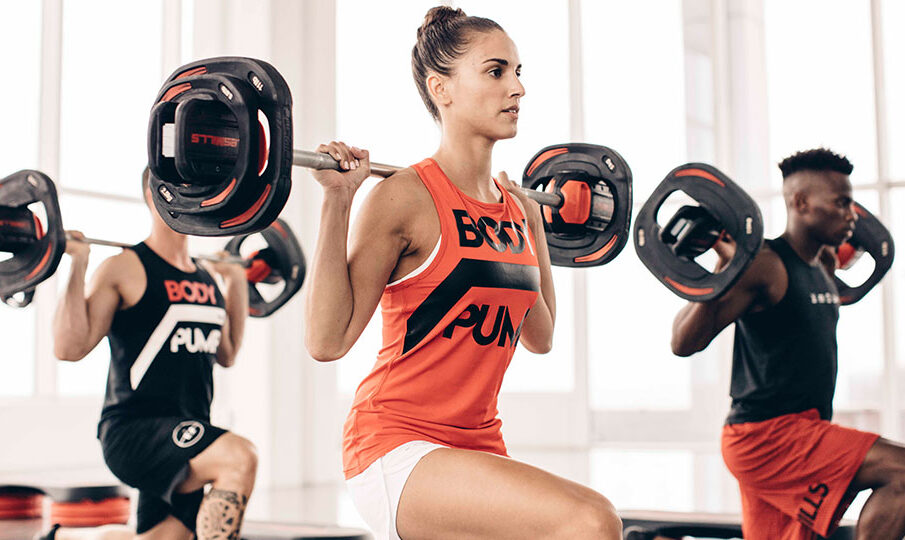
The challenge of applying progressive overload within a bodypump class format has historically been managed through the simple mechanism of increasing plate weight when current loads feel insufficiently challenging. Singapore gym members who use wearables and training tracking technology to manage their BodyPump progression are discovering that this weight-increase approach, while valid, captures only one dimension of the progressive overload available within the format and that objective data tracking reveals progression opportunities and plateau causes that subjective load management alone misses.
What Wearable Data Reveals About BodyPump Sessions
Wearable devices used during BodyPump sessions capture physiological data that provides a more complete picture of session demand and adaptation over time than weight selection tracking alone.
Heart Rate Trends as Adaptation Indicators
Heart rate data across comparable BodyPump tracks over multiple sessions reveals cardiovascular adaptation in ways that subjective effort perception cannot. A participant whose average heart rate during the squat track has declined from one hundred and forty-five to one hundred and thirty-five beats per minute across eight weeks of consistent attendance at unchanged loads has objective evidence that cardiovascular adaptation has occurred, even if no change in load has been made.
This cardiovascular adaptation indicator is meaningful for progressive overload management because it signals that the cardiovascular component of the session’s dual stimulus has been achieved and the training stimulus for continued cardiovascular development requires either load increase or cadence acceleration to maintain equivalent cardiovascular challenge at the improved fitness level.
Recovery Rate as a Readiness Indicator
Heart rate recovery between tracks, the speed at which heart rate drops during the brief rest periods separating tracks, improves measurably with consistent BodyPump attendance and provides a real-time indicator of cardiovascular fitness improvement. Singapore members who track this recovery rate across sessions observe improvements that correlate with their developing fitness in ways that feel good subjectively but become quantifiable through wearable data.
Digital Load Tracking for BodyPump Progression Management
Several training logging applications allow Singapore BodyPump participants to record their specific plate combinations for each track within each session, creating a progressive overload tracking system that identifies which tracks have not been progressed recently and signals when load increases are warranted by adaptation.
True Fitness Singapore encourages its BodyPump members to use training tracking tools that make progressive overload management systematic rather than intuitive. True Fitness Singapore creates the coaching environment where technology and human guidance together support the progressive development that turns consistent BodyPump attendance into sustained body composition and fitness improvement.
FAQs
Q. – Which wearable metrics are most useful for tracking BodyPump progression specifically?
Ans. – Average heart rate per track across comparable sessions reveals cardiovascular adaptation. Heart rate recovery rate between tracks shows improving fitness. Caloric expenditure at equivalent loads across sessions, though less precise, indicates metabolic efficiency changes that accompany adaptation. Together these metrics reveal adaptation dimensions beyond what load tracking alone captures.
Q. – How should I use heart rate data to decide when to increase load in BodyPump?
Ans. – When your average heart rate during a specific track declines meaningfully from your established baseline at unchanged loads, the cardiovascular adaptation signal suggests readiness for load increase. Combining this cardiovascular indicator with subjective assessment of the final repetitions’ difficulty provides a multi-signal basis for load progression decisions that is more reliable than either indicator alone.
Q. – My wearable shows very different caloric estimates for BodyPump compared to pure cardio sessions of similar duration. Is this accurate?
Ans. – Yes. BodyPump’s resistance training component creates a different physiological signature than pure cardiovascular exercise, and wearables trained primarily on cardiovascular exercise patterns may underestimate total caloric expenditure during BodyPump by failing to fully account for the metabolic cost of sustained muscular tension during resistance tracks.
Q. – Can I use training log apps to plan BodyPump load progressions across multiple releases?
Ans. – Yes, and this is one of the most productive applications of training technology for BodyPump participants. Logging your track-by-track loads across multiple sessions and releases allows you to identify which muscle groups are progressing consistently and which have plateaued, directing your load progression efforts where they are most needed.
Q. – Does technology tracking make BodyPump a better training tool or does it create unnecessary complexity?
Ans. – Technology tracking enhances BodyPump’s effectiveness for members motivated by data and progressive goals, providing the objective feedback that transforms class attendance from a routine into a progressively managed development programme. For members who attend primarily for enjoyment and general fitness maintenance, the complexity of systematic tracking is unnecessary and the format delivers its benefits without it.