
Custom Web Services vs SaaS Platforms
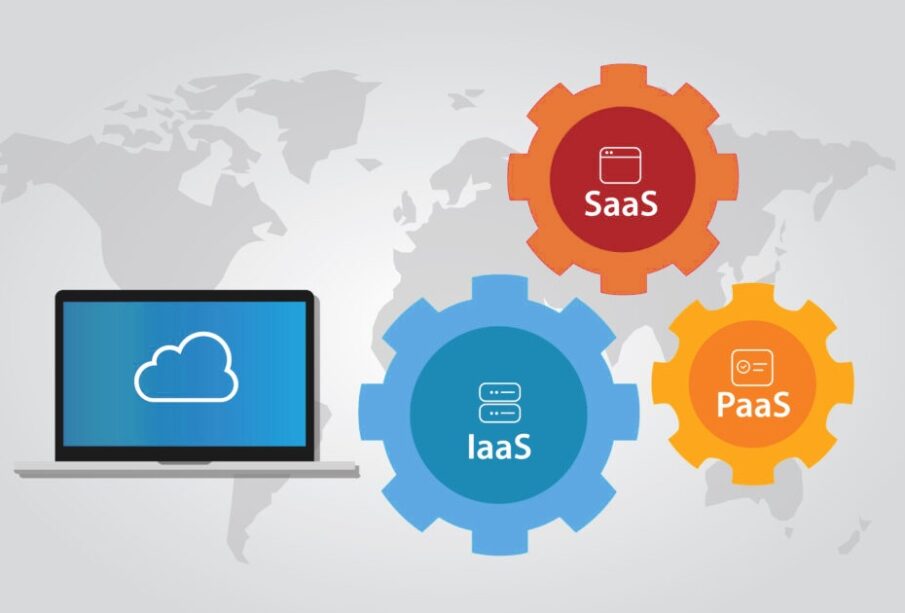
Organizations today face a strategic decision when choosing software solutions: whether to adopt custom web services or rely on Software as a Service (SaaS) platforms. Both approaches deliver web-based functionality, but they differ significantly in flexibility, scalability, ownership, security, and long-term value.
Selecting the right option depends on business goals, technical requirements, operational complexity, and budget constraints. Understanding the strengths and tradeoffs of each approach helps decision-makers invest wisely and avoid costly implementation mistakes.
This article explains the differences between custom web services and SaaS platforms, explores their advantages and limitations, and outlines when each option makes the most sense.
Understanding Custom Web Services
Custom web services are software applications designed and developed specifically for an organization’s unique needs. They are built from scratch or heavily tailored to align with existing workflows, integrations, and long-term strategic objectives.
Unlike off-the-shelf software, custom solutions are not constrained by standardized feature sets.
Key Characteristics of Custom Web Services
Custom web services typically include:
- Fully tailored features
- Flexible architecture
- Integration with legacy systems
- Ownership of source code
- Control over hosting environment
- Enhanced scalability options
Organizations that require specialized workflows often benefit most from custom development.
Understanding SaaS Platforms
SaaS platforms are cloud-based applications delivered over the internet through subscription models. Users access these solutions through browsers without installing or maintaining infrastructure locally.
Popular examples include CRM systems, accounting platforms, collaboration tools, and HR management solutions.
Key Characteristics of SaaS Platforms
SaaS solutions typically provide:
- Fast implementation timelines
- Lower upfront investment
- Vendor-managed infrastructure
- Automatic updates
- Subscription pricing
- Standardized functionality
These platforms are ideal for organizations seeking quick deployment with minimal technical overhead.
Core Differences Between Custom Web Services and SaaS Platforms
Choosing between these two approaches requires evaluating several operational factors.
1. Flexibility and Customization
Custom web services provide unmatched flexibility.
Organizations can:
- Define user roles precisely
- Build specialized workflows
- Control data structures
- Integrate proprietary systems
- Adapt features as business evolves
SaaS platforms, by contrast, offer configuration options rather than full customization. Businesses must adapt their workflows to match platform capabilities.
This limitation can become significant as operational complexity increases.
2. Implementation Time
SaaS platforms are faster to deploy.
Most SaaS tools allow organizations to:
- Register accounts
- Configure settings
- Import data
- Begin operations quickly
Custom web services require:
- Requirements analysis
- Architecture design
- Development cycles
- Testing phases
- Deployment planning
However, longer timelines often lead to better alignment with long-term business goals.
3. Cost Structure
SaaS platforms usually involve:
- Low upfront costs
- Predictable subscription pricing
- Limited infrastructure expenses
Custom development requires:
- Higher initial investment
- Development team involvement
- Testing resources
- Ongoing maintenance planning
Over time, however, subscription fees may exceed the cost of owning a custom solution, especially for large organizations.
4. Ownership and Control
Custom web services provide complete ownership.
Organizations control:
- Data storage policies
- Security frameworks
- System architecture
- Integration capabilities
- Feature roadmaps
SaaS platforms operate under vendor ownership.
Businesses depend on providers for:
- Feature availability
- pricing changes
- uptime reliability
- compliance adjustments
This dependency can create operational risks in regulated industries.
5. Scalability
Both solutions scale differently.
SaaS platforms scale automatically through vendor-managed infrastructure. This makes them suitable for businesses expecting rapid growth without internal IT expansion.
Custom web services scale strategically. Organizations can:
- optimize performance architecture
- adjust hosting infrastructure
- implement load-balancing strategies
- control database performance tuning
This enables more efficient scaling for complex enterprise workloads.
6. Security and Compliance
Security considerations often influence software decisions.
Custom web services allow organizations to:
- design compliance-specific architectures
- enforce internal security policies
- control encryption standards
- manage authentication workflows
SaaS platforms provide strong security frameworks, but compliance flexibility depends on vendor capabilities.
Industries such as healthcare, finance, and government often prefer custom solutions due to strict regulatory requirements.
Advantages of Custom Web Services
Custom development delivers long-term strategic benefits.
Tailored Business Alignment
Every feature supports operational goals directly.
Organizations avoid unnecessary modules that increase complexity and cost.
Competitive Differentiation
Custom platforms enable unique workflows competitors cannot replicate easily.
This strengthens operational efficiency and market positioning.
Integration Flexibility
Custom services connect seamlessly with:
- legacy systems
- enterprise databases
- internal automation tools
- proprietary analytics platforms
These integrations improve productivity across departments.
Long-Term Cost Efficiency
While development costs are higher initially, organizations avoid recurring subscription fees and vendor dependency over time.
Custom ownership reduces licensing risks.
Advantages of SaaS Platforms
SaaS platforms remain valuable for many organizations.
Rapid Deployment
Businesses begin using software almost immediately after onboarding.
This accelerates operational readiness.
Lower Technical Overhead
Vendors manage:
- infrastructure
- upgrades
- maintenance
- backups
- performance monitoring
Organizations reduce internal IT workload significantly.
Predictable Budgeting
Subscription pricing simplifies financial planning.
Businesses can scale user licenses as needed.
Continuous Updates
SaaS providers deliver automatic improvements without manual upgrades.
Users benefit from new features without disruption.
Limitations of Custom Web Services
Despite flexibility, custom solutions involve certain challenges.
Higher Initial Investment
Development requires planning resources and skilled engineering teams.
Organizations must allocate sufficient budgets before implementation begins.
Longer Development Cycles
Custom platforms require careful testing and iteration before deployment.
Timelines depend on project complexity.
Maintenance Responsibility
Organizations must manage updates, security patches, and performance optimization internally or through partners.
Limitations of SaaS Platforms
SaaS tools introduce tradeoffs that organizations should evaluate carefully.
Limited Customization
Businesses may struggle to align workflows perfectly with platform structures.
This can reduce operational efficiency over time.
Vendor Dependency
Organizations rely on providers for:
- pricing stability
- feature availability
- uptime reliability
- data portability
Unexpected vendor decisions may disrupt workflows.
Data Ownership Concerns
Although SaaS providers maintain strong security practices, organizations often prefer direct control over sensitive information.
This concern becomes critical in regulated environments.
When Custom Web Services Are the Better Choice
Custom development makes sense when organizations require:
- unique workflows
- integration with legacy systems
- strict compliance frameworks
- long-term ownership
- competitive differentiation
- high-performance architecture control
Large enterprises and specialized industries frequently benefit most from this approach.
When SaaS Platforms Are the Better Choice
SaaS solutions are ideal when businesses need:
- rapid deployment
- minimal technical management
- predictable costs
- standardized workflows
- scalable cloud infrastructure
- quick experimentation with new tools
Startups and small teams often gain immediate advantages from SaaS adoption.
Hybrid Approaches Are Increasingly Popular
Many organizations combine both strategies.
For example:
- SaaS platforms manage standard operations such as HR or CRM
- custom web services handle proprietary workflows
- internal dashboards integrate multiple data sources
- middleware connects SaaS tools with internal infrastructure
Hybrid strategies balance flexibility with operational efficiency.
Strategic Factors to Consider Before Choosing
Decision-makers should evaluate several dimensions before selecting a solution.
Business Complexity
Highly specialized operations benefit from custom platforms.
Standardized workflows align better with SaaS tools.
Growth Expectations
Organizations expecting rapid scaling may benefit from SaaS infrastructure early on.
Long-term enterprise growth often favors custom architecture control.
Regulatory Requirements
Industries with strict compliance obligations frequently require custom solutions.
Integration Needs
If multiple internal systems must connect seamlessly, custom web services provide stronger flexibility.
Budget Strategy
Organizations should compare:
- total cost of ownership
- subscription accumulation
- infrastructure management costs
- internal technical capacity
Long-term projections often reveal the most practical choice.
Future Trends in Web-Based Software Solutions
Technology adoption patterns continue evolving.
Several trends are shaping the future of software deployment decisions:
- increased use of API-driven architectures
- expansion of modular SaaS ecosystems
- growth in low-code development platforms
- hybrid cloud infrastructure adoption
- stronger emphasis on data sovereignty
Organizations increasingly prioritize adaptability when choosing between SaaS and custom development strategies.
Conclusion
Choosing between custom web services and SaaS platforms depends on balancing flexibility, cost, scalability, and long-term ownership requirements.
SaaS platforms deliver speed, convenience, and reduced maintenance responsibility. Custom web services provide control, integration flexibility, and strategic differentiation.
Organizations that carefully evaluate operational complexity, compliance requirements, and growth plans can select the solution that supports sustainable digital transformation.
Frequently Asked Questions
1. How long does it typically take to build a custom web service?
Development timelines vary depending on complexity. Small internal tools may take a few weeks, while enterprise-grade platforms can require several months of planning, development, and testing.
2. Can a company switch from SaaS to a custom solution later?
Yes. Many organizations begin with SaaS platforms and later migrate to custom solutions once workflows become more complex or integration requirements increase.
3. Are SaaS platforms suitable for large enterprises?
Yes, especially for standardized functions such as collaboration tools, payroll systems, and customer relationship management. However, enterprises often combine SaaS tools with custom applications.
4. Do custom web services require an in-house development team?
Not necessarily. Organizations can partner with external development agencies or managed service providers to design and maintain custom solutions.
5. Is data migration difficult when moving away from SaaS platforms?
Migration complexity depends on the platform and data structure. Planning export strategies early helps reduce migration risks later.
6. Can custom web services support mobile access?
Yes. Modern custom web applications can be optimized for mobile browsers or integrated with dedicated mobile interfaces.
7. Which option offers better performance for high-volume applications?
Custom web services often provide stronger performance optimization because infrastructure and architecture decisions are tailored specifically for workload requirements.