
Networking for Seniors: 3 Whys and Hows
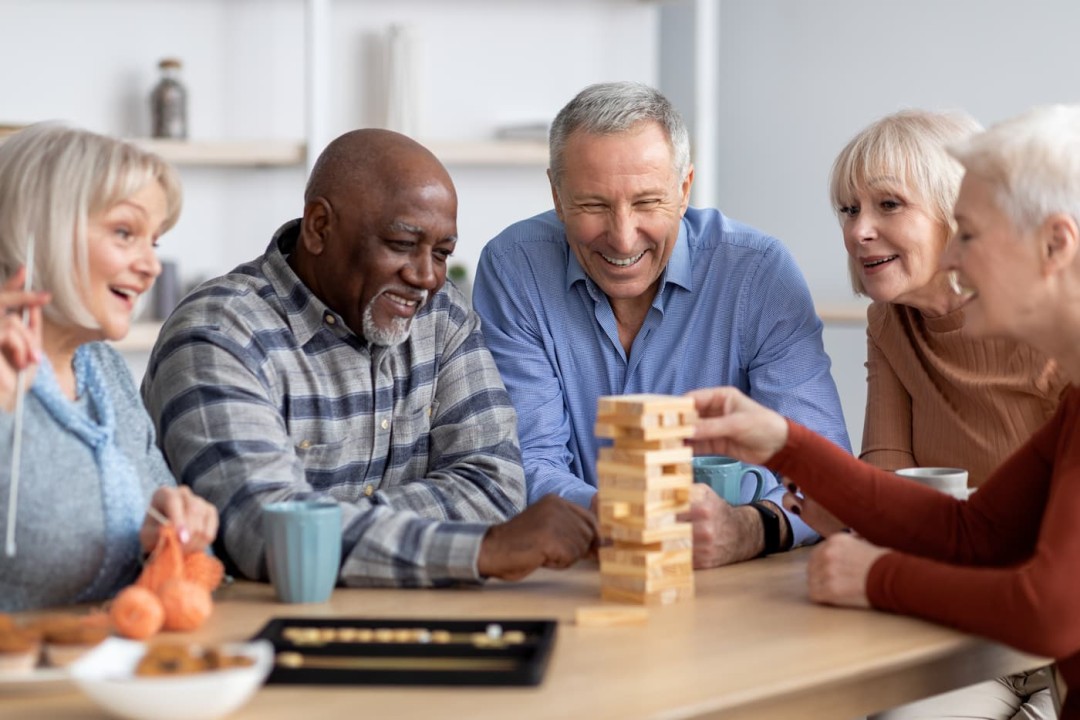
As we get older, staying connected becomes more important than ever. Networking isn’t just for the business crowd; it’s a fantastic way for seniors to boost their social lives, mental health, and overall well-being.
So here are 3 helpful tips to make networking a key part of your life.
Combat Social Isolation
Why? Social isolation can lead to loneliness, depression, and even physical health issues so that staying socially active means you can better reduce the risk of mental health problems.
How?
- You want to find senior centers nearby that offer a variety of activities. These places are social hubs where you can meet new people and join group events.
- Look for clubs that match your hobbies, like gardening, book reading, or crafting. Joining these clubs means you can connect with others who share your interests and have regular opportunities for social engagement.
- Attend social gatherings and community events like potlucks, dances, or holiday celebrations. These events are perfect for expanding your social circle and catching up with friends.
Stay Mentally Active
Why? Regular social interactions and mental engagement help keep your brain active so that there’s less risk of cognitive decline and conditions like dementia. A diverse network of friends really can stimulate your mind through varied conversations and activities.
How?
- Enroll in community classes or workshops that interest you. Many local centers offer classes on different topics, from art and music to technology and languages. Learning alongside others really encourages mutual support and intellectual engagement.
- Check out lifelong learning programs at nearby colleges or universities. These programs often have courses specifically designed for seniors, offering a structured environment for social and educational interaction.
- Join discussion groups or forums where you can get into meaningful conversations about topics you’re passionate about. Libraries and community centers often host these groups, giving you a network of like-minded individuals.
Access to Resources and Support
Why? Networking opens doors to valuable information, assistance, and support systems. A strong network means you can get practical advice, emotional support, and access to community resources.
How?
- Attend health and wellness fairs in your community. These events provide information on healthcare services, nutritional advice, fitness programs, and other resources for seniors plus networking at these fairs can connect you with professionals and peers who can support your health journey.
- Join support groups for specific needs, like caregiving, chronic illness, or grief. These groups offer a network of people who understand your situation and can provide emotional support and practical advice.
- Get involved with community organizations and non-profits that provide services and resources for seniors. These groups often have networks of volunteers and professionals who can offer assistance and guidance and even friendship.
Really, you can build a strong network that really boosts your social life, keeps your mind sharp, and provides the support you need to thrive.