Edge Wearables for Personalisation, How a Personal Training Gym Singapore Can Use HRV and Load Without Leaking Data
Wearable technology has become an essential tool for fitness enthusiasts in Singapore. Devices that track heart rate, steps, and sleep are now commonplace, but the next level of personalisation comes from measuring heart rate variability (HRV) and training load. These metrics allow workouts to be adjusted daily based on how the body feels, instead of following rigid plans.
The challenge lies in using wearables responsibly. Many fitness apps store sensitive health data in the cloud, raising concerns about privacy and security. A personal training gym Singapore that uses edge processing technology can deliver precise personalisation without leaking personal health data to third-party servers.
What HRV and Training Load Actually Mean
Heart Rate Variability (HRV)
HRV measures the variation between heartbeats, reflecting how well the nervous system is recovering. A higher HRV generally indicates better recovery and readiness, while a lower HRV may suggest stress or fatigue.
Training Load
This refers to the cumulative stress placed on the body from exercise. It combines intensity, duration, and frequency into a single metric. Monitoring training load prevents overtraining and reduces the risk of injury.
For clients, these numbers translate into smarter training. On days with low HRV, trainers might dial back intensity. On days with high HRV, the client is ready for heavier lifting or faster intervals.
Daily Readiness and Smarter Adjustments
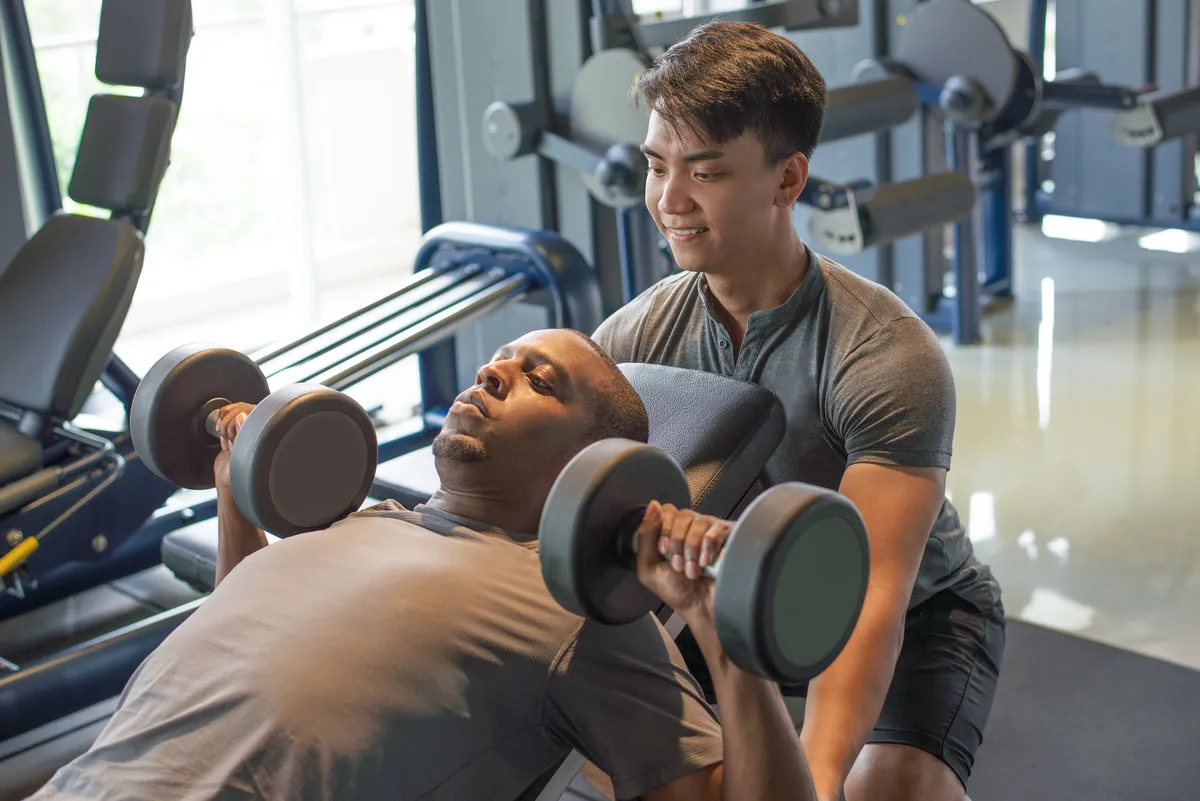
Instead of using generic training plans, personal trainers can use HRV and load data to adjust workouts in real time.
-
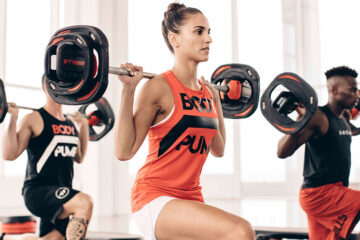
Strength Training Example: If a client’s HRV is low, reduce barbell weight and focus on mobility. If HRV is high, progress with heavier lifts.
-
Cardio Example: On days when training load is already high, replace intervals with steady cycling.
-
Lifestyle Impact: Poor sleep, alcohol intake, or work stress often show up in HRV data. Trainers can use this feedback to guide recovery practices.
The result is a flexible, individualised training plan that respects each client’s body condition.
Edge Processing vs Cloud Storage
Traditional fitness apps upload data to cloud servers for analysis. While convenient, this raises privacy concerns, especially when sensitive health data is involved.
Edge Processing Advantages
-
Data is processed directly on the wearable or local device, not sent externally
-
Reduced risk of leaks or unauthorised access
-
Faster response times for real-time training adjustments
For clients in Singapore who value both performance and privacy, edge-based wearables strike the right balance.
Consent and Retention Policies for Gyms
Personal training gyms must treat biometric data carefully. Best practices include:
-
Client consent: Trainers explain what data will be used and why
-
Minimal retention: Store only essential data for training, not long-term archives
-
Local storage: Keep data within secured gym systems instead of outsourcing to third-party cloud services
This transparency builds trust between trainers and clients, making technology a supportive tool rather than an intrusive one.
Simple Metrics That Matter Most
While wearables track dozens of data points, not all are equally useful. Trainers often focus on:
-
HRV for recovery and stress
-
Resting heart rate for cardiovascular fitness
-
Step count for daily activity consistency
-
Sleep duration and quality for recovery insight
By focusing on these actionable metrics, gyms avoid overwhelming clients with unnecessary numbers.
Coaching in Plain Language
Data is only valuable when explained clearly. Trainers need to translate HRV or load readings into simple instructions:
-
“Today we keep weights moderate, as your recovery score is lower.”
-
“Your body is ready, so we can push harder on intervals.”
-
“Sleep was short last night, let’s add extra cooldown work.”
This coaching style ensures that technology enhances human connection instead of replacing it.
Role of TFX Singapore
At TFX Singapore, trainers integrate wearable data carefully, focusing on meaningful metrics and privacy-first approaches. By combining edge processing with personalised coaching, they provide clients with a balance of performance insight and data security. This ensures workouts are tailored, effective, and safe.
FAQ
Q. Which wearable is best for tracking HRV?
Ans. Many devices like Polar, Whoop, or Garmin offer HRV tracking. The most important factor is consistency in measurement, not brand.
Q. Is a low HRV always a bad sign?
Ans. Not always. Temporary dips can occur from good training stress. Chronic low HRV, however, may indicate poor recovery or lifestyle stress.
Q. Can gyms access my private health data without permission?
Ans. No, data use should always require informed consent. Edge processing ensures most sensitive data never leaves your device.
Q. Do I need to monitor every metric daily?
Ans. No, focus on HRV, resting heart rate, and sleep. These are the most actionable metrics for training adjustments.
Q. What if I forget to wear my device?
Ans. Trainers can still guide sessions using perceived exertion, mood, and performance. Wearables are helpful but not essential for good training.